


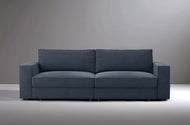


 Aura Full-Sized Sleeper Sofa
 Optic Queen Sleeper Sofa
 Optic Multifunctional Ottoman with Storage
 Gateway Queen Sleeper Sofa
 Tera Queen Sleeper Sofa
 Galaxy Full-Sized Sleeper Loveseat
 Galaxy Queen Sleeper Sofa
 Manor Storage Chair
 Switch Queen Sleeper Sofa
 Switch Queen Sleeper Sectional with Storage Chaise
 Nova Full-Sized Sleeper Sofa
 Nova Full-Size Sleeper Sectional with Storage Chaise
 Toggle Full-Sized Convertible Couch with 16-Position Configurations
What Makes a Furniture Brand Trustworthy in 2026
06 Mar 2026

Time to read: 5 min
Share Article:
Introduction
In 2026, trust isn’t just a nice-to-have in furniture brands — it’s a decision driver.
In an era of economic uncertainty, rising costs, and DIY culture, consumers expect more transparency, reliability, and long-term value from the brands they choose.
According to Salesforce research, 87% of consumers say transparency influences purchasing decisions, and 71% say a brand’s trustworthiness is more important than price (Salesforce).
Today’s furniture buyers aren’t just shopping for looks and comfort — they’re investing in peace of mind.
The Rise of Consumer Skepticism
Trust today is tethered to real-world concerns:
- Inflation and financial stress influence how people purchase durable goods.
- Online reviews and social proof can make or break brand perception.
- Warranties, return policies, and delivery transparency are now table stakes.
- Supply chain questions (materials, sourcing, labor practices) matter to buyers.
In an environment where growth is slowing and consumers are savvier, brands must prove their value at every step.
What Consumers Look For in Trustworthy Furniture Brands
Here are the top markers of trust — backed by external data and consumer behavior research.
1. Transparency in Pricing and Policies
Consumers expect clear, honest pricing — no hidden fees, no surprise add-ons.
According to PwC’s Future of Customer Experience Report, walk-away behavior increases sharply when prices are unclear (PwC).
In furniture, that translates to:
- Clear shipping fees
- Honest product details (materials, measurements)
- Straightforward return & exchange policies
Brands that obscure costs lose trust before the product even ships.
2. Durable Materials and Long-Term Value
We know buyers are being more intentional with purchases: smaller homes, tighter budgets, and longer replacement cycles.
A report from the American Psychological Association shows financial stress impacts daily decision-making (APA Stress Report), which pushes consumers toward durable, dependable purchases over cheap, disposable goods.
In furniture, durability signals trust — long warranties, solid frames, quality fabric performance, and repairability all reflect brand confidence in the product.
3. Social Proof and Verified Reviews
Today’s shoppers are digital detectives. They scour reviews, user photos, and third-party discussion boards before clicking buy.
BrightLocal’s Consumer Review Survey found that 98% of buyers read online reviews before purchasing (BrightLocal).
For furniture brands, this means:
- Encouraging customer reviews
- Responding publicly to feedback
- Highlighting real user images
- Featuring verified buyer testimonials prominently
When a brand leans into real customer feedback — both praise and criticism — it earns credibility.
4. Exceptional Customer Service
Trustworthy brands don’t disappear after checkout.
According to Microsoft’s State of Global Customer Service report, over 90% of customers expect brands to resolve issues quickly and empathetically (Microsoft).
For furniture — which often has sizing questions, delivery concerns, or long lead times — this means:
- Clear communication on shipping dates
- Flexible solutions for returns or damage claims
- Supportive agents (not scripted bots)
Great service reassures buyers that you stand behind your products.
5. Clear Manufacturing and Sustainability Practices
Today’s buyers not only want good products — they want to know where and how they’re made.
A Nielsen Report shows that 66% of consumers will pay more for sustainable brands (Nielsen).
That means brands gain trust by:
- Explaining sourcing and material choices
- Using eco-friendly fabrics and processes
- Offering repair parts or guidance
- Extending the life of every piece
Trust is built when companies share why they make the choices they make.
6. Warranty & Return Policies That Remove Risk
A strong warranty communicates confidence.
A Deloitte consumer review found that lenient return policies increase purchase likelihood dramatically (Deloitte).
In furniture, risk often stops at delivery day:
- What if it doesn’t fit?
- What if the color looks different in the home?
- What if it wears sooner than expected?
Brands that stand behind their product with clear, fair returns and extended warranties remove psychological barriers to buying — and build trust in the process.


How Coddle Demonstrates Trustworthiness in 2026
So what does a trustworthy furniture brand actually do? Here’s how Coddle meets and exceeds those modern expectations.
1. Transparent Product Details
Every product page includes:
- Exact dimensions
- Fabric performance ratings
- Frame materials breakdown
- Load capacities
This prevents buyer surprises and sets accurate expectations before checkout.
2. Built for Everyday Use — Not Fast Furniture
Coddle’s core build standards include:
- Reinforced hardwood + steel frames
- High-performance upholstery designed for real life
- Modular construction for longevity
Quality materials and engineering that lasts reflect a long-term value proposition, not disposable design.
3. Social Proof That Matters
Coddle prominently features:
- Verified purchasers
- Customer photos
- Detailed reviews with usage context
Seeing furniture perform in real homes builds confidence faster than staged imagery.
4. Caring Customer Support
Responsive support teams help with:
- Pre-purchase questions
- Delivery tracking
- Post-purchase issues
Support is friendly, informed, and empowered to help — no robots, no long waits.
5. Risk-Reducing Policies
Coddle’s policies are designed to say: “We got you.”
- Straightforward returns
- Warranty coverage that’s easy to understand
- Flexible solutions for real-life issues
This reduces anxiety around buying large pieces sight unseen.
How Trust Influences Small-Home Buyers Specifically
A key insight from current consumer behavior:
When buyers live in smaller homes, every purchase feels decisive.
Smaller spaces cannot hold furniture that is:
- Poorly built
- Too large
- Hard to reconfigure
- Uncomfortable
Trustworthy brands help buyers feel confident that every item earns its place. That’s not just good design — it’s good psychology.
Key Takeaways
- Trust is the new currency of furniture in 2026
- Transparency, durability, reviews, service, and warranties matter
- Sustainability and manufacturing clarity influence purchase decisions
- Coddle delivers real trust signals that modern buyers value
When a brand earns trust, it doesn’t have to convince buyers — it reassures them.
Frequently Asked Questions
What is brand trust in furniture?
Brand trust means buyers feel confident a product is as described, built to last, supported with real policies, and backed by reliable service.
Why do reviews matter?
92–98% of shoppers check online reviews before buying big-ticket items — that’s credibility in action.
Are warranties important?
Yes — generous and clear warranties reduce perceived risk at checkout.
Share Article: