
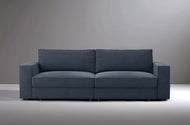


 Switch Queen Sleeper Sofa
 Switch Queen Sleeper Sectional with Storage Chaise
 Nova Full-Sized Sleeper Sofa
 Nova Full-Size Sleeper Sectional with Storage Chaise
 Toggle Full-Sized Convertible Couch with 16-Position Configurations
 Optic Multifunctional Ottoman with Storage
 Galaxy Full-Sized Sleeper Loveseat
 Gateway Queen Sleeper Sofa
How to Decorate with Rich Fall Colors and Textures All Year
03 Aug 2026
Kashif Ahamed | Time to read: 5 min
Share Article:
Using the Rich Colors and Textures of Fall All Year
Fall has a way of turning our attention back toward home. The light softens, evenings arrive earlier and the landscape deepens into rust-colored leaves, mossy greens, dark water, weathered wood and fields faded to oat and parchment.
Borrowing from those fall living room colors does not mean decorating for a single season. Earthy shades and organic textures can make a space feel grounded, expressive and welcoming all year. Start with one rich color, balance it with warm neutrals and layer in materials that make the room feel comfortable, tactile and ready for the people who gather there.
1. Borrow from Nature’s Fall Palette
A fall-inspired living room can begin with one nature-based shade—rust, green, rich blue, brown or ivory—then build outward with warm neutrals and organic materials.
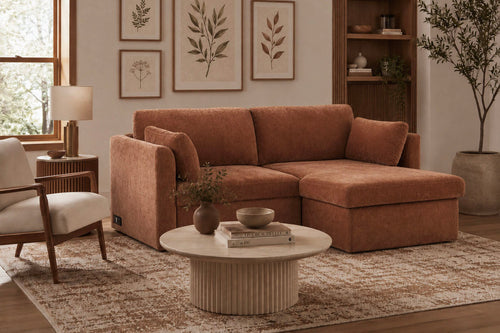
Rust, coral and terracotta carry the glow of changing leaves, late sunsets and fire embers. Their deeper red and brown undertones give them an earthy quality that is easier to live with than a bright orange. On a sofa, they create a strong focal point while pairing naturally with ivory, olive, warm wood and deeper blue.
Green brings a quieter kind of warmth. Moss, forest and evergreen tones feel grounded and settled, with a depth that lasts beyond fall. Pair them with brown, cream, walnut or small touches of rust.
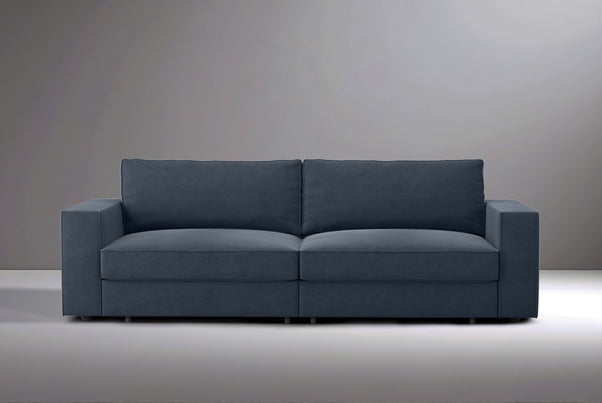
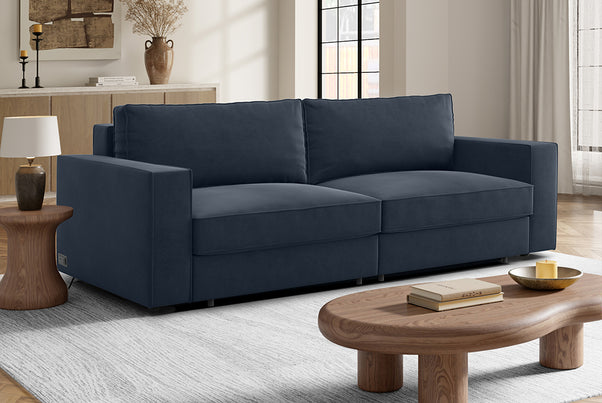
Rich blue can provide a cooler counterpoint to the warmer colors. Deep blue velvet or textured blue chenille recalls evening skies and still water. A blue sofa, sleeper chair or accent piece can add contrast without pulling the room away from its earthy foundation.
Brown connects the palette to bark, soil and wood, while ivory, beige and oat soften everything around them. These lighter neutrals create breathing room for saturated upholstery and darker natural materials.
You do not need to use the entire palette at once. Choose one rich shade as the anchor, support it with a warm neutral and introduce one contrasting color through a chair, rug, artwork or textile.
Add a cooler note: Deep green and rich blue can balance rust, brown and warm wood, bringing in the colors of evergreens, still water and early evening skies.



Color family |
Nature inspiration |
Pair it with |
|---|---|---|
| Rust and terracotta | Changing leaves, sunsets, glowing embers | Ivory, flax, olive, walnut, rich blue |
| Deep green | Moss, shaded forests, evergreens | Cream, camel, brown, warm wood |
| Rich blue | Evening skies, still water | Rust, ivory, walnut, aged brass |
| Warm brown | Bark, earth, weathered wood | Cream, olive, rich blue |
| Ivory and oat | Pale stone, dried grasses, raw linen | Rust, green, brown, natural wood |
2. Build Warmth Through Texture
Color sets the mood, but texture is what makes a room feel inviting.
Velvet changes as light moves across it, giving rust, green or blue upholstery a deeper, almost glowing quality. Chenille has a softer, relaxed surface that brings warmth without feeling formal. Woven fabrics introduce visible variation and help even a neutral sofa feel layered.
The Gateway Sofa’s rich brown chenille is a natural foundation for this kind of room. Paired with live-edge wood, a deeply textured rug, softly woven upholstery and matte ceramics, the brown fabric takes on the warmth of bark, soil and weathered timber.
A comfortable room might combine:
- Soft upholstery with visible wood grain
- A woven or lightly patterned rug
- Linen or nubby pillows against velvet or chenille
- Matte ceramics beside metal, stone or glass
- A brushed or loosely woven throw
Visible wood trim, like the bases on the Element sectional and Tera sofa, can help ground all that softness. Even a narrow band of wood adds structure and gives you a material to repeat through frames, lighting or smaller accents.
Texture should feel layered rather than crowded. A plush velvet sofa may look better with a flatter woven rug than another thick surface. A chenille sofa can handle a heavier throw, a tactile pillow or a deeply textured rug beneath it.
The goal is not to make the room look decorated for fall. It is to create the warmth associated with the season through materials that remain relevant throughout the year.


3. Balance Rich Color with Warm Neutrals
Warm neutrals such as ivory, oat, sand, mushroom and limestone reflect light and give deeper colors room to breathe.
These are the quiet shades of natural linen, pale stone, dried grasses and raw wool. They can sit beside rust, green, blue or brown without cooling the room down.
An ivory sofa can act as the calm center of a richer palette. Channel detailing adds dimension by catching light across the upholstery, while rust pillows, mossy greens, walnut furniture and a tactile rug keep the neutral foundation from feeling plain.
Try pairing a warm neutral sofa with:
- Rust or clay-colored textiles
- Olive or moss green accents
- Walnut or medium-toned wood
- A rug combining cream, brown and muted color
- Bronze, aged brass or matte black details
The same principle works in reverse. When the sofa is rust, green, blue or brown, use a lighter rug, cream curtains or natural linen pillows to soften the larger field of color.
Scale matters. A few small cream accessories will not balance a large, deeply colored sofa as effectively as a pale rug, warm neutral wall or lighter window treatment. Let one broad neutral surface offset the stronger upholstery color.
This approach also gives the room flexibility. An ivory foundation can lean into rust and olive during fall, then shift toward blue, clay or botanical green later. The furniture stays the same; only the emphasis changes.


4. Design the Room for Gathering—and Staying Over
A welcoming living room needs comfortable seating, clear paths, useful surfaces and enough flexibility to adapt when people arrive.
A generous sectional creates a natural gathering zone and gives more people room to settle in. The Element sleeper sectional, for example, combines a warm neutral foundation with the scale needed for everyday lounging, conversation and overnight guests.
A sofa paired with a sleeper chair offers another option in a smaller space. The chair adds color and texture during the day, then converts into a place to sleep when needed.
That flexibility becomes especially valuable during the busier months of the year. Friends stay later. Family visits. Plans shift. A sleeper sofa or sectional allows a living room, den or office to become an overnight space without requiring a dedicated guest room.
A few practical details make the room easier to use:
- Place a surface within reach of the main seats.
- Keep walking paths open.
- Use lamps at different heights instead of relying only on overhead light.
- Leave a soft throw and supportive pillows where people can find them.
- Choose furniture that can serve more than one purpose.
Rich upholstery looks especially beautiful in softer evening light. Rust takes on the glow of embers. Green becomes deeper and more enveloping. Blue reflects the quiet of the night sky. Ivory catches the warmth and carries it through the room.
The goal is not a perfectly styled space. It is a room where someone can sit down, get comfortable, stay late—and have a real place to sleep when the evening turns into an overnight visit.


A Warmer Home in Every Season
The colors we notice in fall endure because they come from the natural world: earth, wood, water, stone, fire and sky.
Rust brings warmth. Green adds depth. Blue introduces a cooler note. Brown grounds the room, while ivory and beige create softness and light.
Layered with velvet, chenille, woven fabric and warm wood, these colors create spaces that feel tactile and lived in. Paired with comfortable seating and flexible sleeper furniture, they also create homes that are ready for more—more conversation, more people and more time spent together.
Explore Coddle sleeper sofas, sectionals and chairs designed to bring rich color, everyday comfort and more room for guests into your home.
Frequently Asked Questions
What colors can I use in a fall-inspired living room?
There is no single required fall palette. Nature-inspired shades such as rust, terracotta, forest green, rich blue, warm brown, ivory and oat can all contribute to a fall-inspired room. Choose one dominant color, balance it with a warm neutral and use another shade as a smaller accent.
How do I decorate with a rust sofa without making the room feel too orange?
Balance rust upholstery with larger areas of ivory, cream or oat. Warm wood, olive green and deep blue also complement rust while giving the room more depth. Avoid repeating the same orange tone across every pillow, rug and accessory.
Can blue and green work in a fall living room palette?
Yes. Deep green recalls moss, forests and evergreens, while rich blue introduces the cooler colors of still water and early evening skies. Both can balance rust, brown and warm wood so the room does not feel overly warm or one-dimensional.
How can I make a neutral living room feel warmer?
Layer different textures and warm materials around the neutral furniture. Try visible wood grain, a woven rug, linen or chenille pillows, a soft throw and rust, olive or brown accents. Warm lamps placed at different heights can also make ivory and beige feel softer.
How can sleeper furniture help when I do not have a guest room?
A sleeper sofa, sleeper sectional or convertible chair allows an everyday living space to become an overnight guest area when needed. Choose a piece that works comfortably for daily seating first, then consider the bed size, available floor space and any built-in storage.
Share Article:


